

The world of work is changing faster than ever, and the world at large is adjusting rapidly following the advent of COVID-19.
Between rapid digital transformation, the rise of remote work, fintech expansion, AI adoption, and economic uncertainty, employers in 2026 will not just hire degrees; they will hire skills. The question most young professionals should be asking is not “What job should I apply for?” but rather:
“What skills will make me valuable anywhere?”
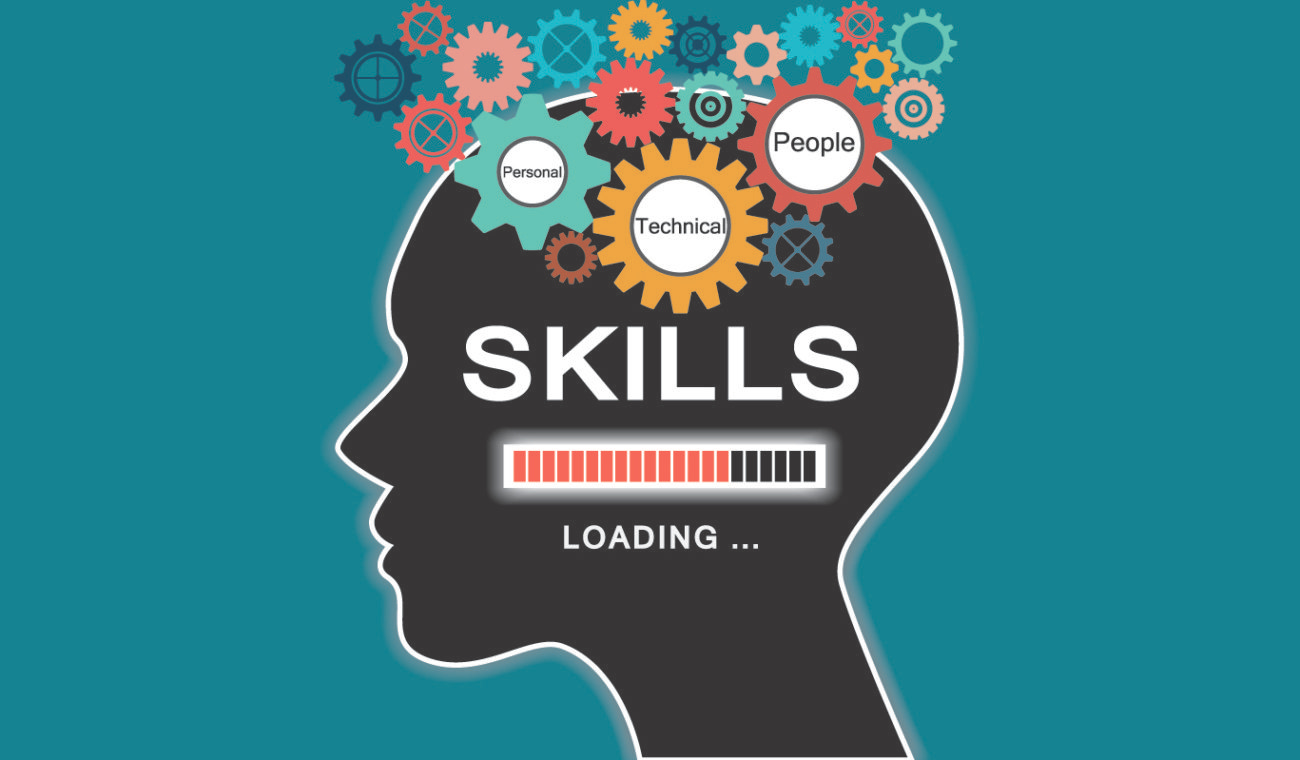
In this write-up, I am going to take you through the top 15 skills employers will want in young professionals this 2026, with a practical lens, whether you are a student, graduate, professional, entrepreneur, or career switcher.
These skills cut across tech, business, and human capability, because the future belongs to people who can combine all three. With over a decade of my experience, I have seen and experienced the shift (pre and post-COVID), and for those who came late to the party, it ain’t pretty out there.
Let’s dive in.
Below are the top 15 practical skills employers want in young professionals:
1. Artificial Intelligence (AI) Literacy and Practical Usage
It is not just knowing that AI exists, but how it can be woven into the practical work life of your profession? AI is no longer a “tech bro” thing. This year, every role will touch AI in some form.
Employers are not just looking for AI engineers; they want people who can use AI tools intelligently to improve productivity in and out of the workplace. This makes your workstation everywhere, as long as you have access to the internet and the right tools
What this means for you:
- Using AI tools to write reports faster
- Automating customer responses
- Analysing data with AI
- Creating content using AI
- Improving marketing performance using AI insights
What skills should you learn:
- Prompt engineering
- Using tools like ChatGPT, Copilot, and Gemini
- AI-powered spreadsheets and analytics
- AI for design, writing, and customer service
AI will not replace you. But someone using AI will.
2. Data Analysis and Data Literacy
In 2026, decisions will be driven by data even in non-tech roles.
Companies now want staff who can interpret numbers, spot trends, and make evidence-based decisions. Beyond the numbers, what can you see, how can you see it, and what are the next steps to take? Only Data Literacy can help you answer the questions.
Where this applies:
- HR (employee data, recruitment metrics)
- Marketing (campaign performance)
- Finance (cost analysis)
- Operations (efficiency tracking)
- Business development (market insights)
Practical tools:
- Microsoft Excel (advanced level)
- Google Sheets
- SQL basics
- Power BI or Tableau
You don’t need to be a data scientist. You need to understand what the data is saying and how it is saying it.
3. Cybersecurity and Digital Safety Awareness
As Nigeria’s economy goes digital, cyber threats are increasing rapidly. Scammers are increasing in their number and someone needs to scare them away.
Banks, fintechs, SMEs, churches, NGOs, and online businesses all need people who understand digital safety.
Employers want people who:
- Protect customer data: Privacy issues are a thing now.
- Understand basic cyber risks
- Follow digital security best practices
- Help prevent fraud and breaches
Skills to develop:
- Cyber hygiene
- Password and access management
- Data protection awareness
- Entry-level cybersecurity fundamentals
Cybersecurity is no longer optional; it is a necessity.
4. Software and Application Development
Software development remains one of the highest-paying and most flexible skills globally, and Nigerians are well-positioned for this market.
Even basic coding knowledge gives you an edge.
Areas in demand:
- Web development
- Mobile apps
- Backend systems
- Automation scripts
Languages worth learning:
- JavaScript
- Python
- PHP
- Java
You don’t need to become a senior developer. Basic to intermediate development skills have already opened doors.
5. Cloud Computing and Infrastructure Skills
Companies are moving away from physical servers to cloud platforms, and professionals who do not upgrade their skills will be obsolete.
In 2026, cloud skills will be as valuable as knowing how to use Microsoft Word was years ago.
Platforms to know:
- AWS
- Google Cloud
- Microsoft Azure
What employers look for:
- Cloud deployment
- Managing cloud storage
- Understanding cloud security
- Supporting cloud-based systems
Cloud skills pair well with development, cybersecurity, and IT support roles.
6. Digital Marketing and Growth Strategy
Every business needs visibility. Every brand needs customers. Digital marketing and social media presence is not just about amassing a good audience and posting regularly, but about strategy and data.
That is why digital marketing skills will remain evergreen worldwide.
High-demand areas:
- SEO
- Content marketing
- Paid ads
- Email marketing
- Social media strategy
- Analytics
Why this matters:
- SMEs need growth
- Startups need users
- Churches and NGOs need to reach
- Personal brands need visibility
Digital marketers who understand both strategy and execution will be in high demand. The COVID period was a test of this profession.
7. UX/UI and Product Design
Good design is no longer optional. If users struggle to navigate a product or an app, they leave. If User Experience (UX) declines, there will be no sales or revenue in that product line.
Employers want designers who can build user-friendly digital experiences, not just pretty screens.
Practical skills:
- User research
- Wireframing
- Prototyping
- Figma
- Usability testing
UX/UI designers are especially valuable in fintech, SaaS, and e-commerce sectors
8. Critical Thinking and Problem-Solving
In 2026, thinking will be more valuable than memorisation. Critical (and creative) thinking is pertinent to the growth of a business. Employees who possess this skill are evergreen in organisations
Employers want people who:
- Can analyse problems
- Propose solutions
- Think independently
- Handle uncertainty
This skill separates employees from leaders.
Critical thinkers don’t wait to be told what to do; they anticipate issues and solve them before they arise.
9. Adaptability and Lifelong Learning
The skills you learn today may change tomorrow. Be ready to adjust and adapt to changing conditions as you grow in the professional world.
Employers now value people who can learn, unlearn, and relearn quickly with a rebellious or dramatic attitude.
Signs of adaptability:
- Learning new tools easily
- Adjusting to new roles
- Staying curious
- Taking the initiative to upskill
In many unstable economies, adaptability is not just a skill; it is a career survival strategy in any environment.
10. Communication Skills (Written and Verbal)
You may be smart, but if you can’t communicate clearly, your value drops. This is one of the most important and valuable soft skills everyone should possess. No one will communicate for you or use sign language to reach out to you. You must be able to articulate your thoughts clearly and communicate them. All roles in the workplace require basic communication skills.
Employers want professionals who can:
- Write emails clearly
- Explain ideas simply
- Speak confidently
- Communicate across cultures
With remote work, written communication has become even more critical.
11. Emotional Intelligence (EQ)
Workplaces are becoming more human-centred, and high-level thinking abilities have become paramount, especially as it concerns being aware of your own emotions and the emotions of others
Employers value people who:
- Work well with others
- Handle conflict maturely
- Show empathy
- Lead without intimidation
High EQ professionals often rise faster than technically brilliant but emotionally difficult colleagues.
12. Project and Time Management
Deadlines matter. In fact, it is a measuring instrument for projects because projects are time-bound. The ability to manage time effectively and efficiently is a gold mine in workplaces. Employees should be intentional enough to improve this skill
Employers want people who can:
- Manage tasks efficiently
- Deliver projects on time
- Prioritize effectively
- Work independently
Tools to know:
- Trello
- Asana
- Notion
- Google Workspace
Time management is one of the most underrated career skills around the globe.
13. Entrepreneurial and Business Thinking
Even if you’re not an entrepreneur, employers want people who think like business owners. Employers want intrapreneurs! Intrapreneurs are employees acting like entrepreneurs within an established company, developing new products, services, or processes to drive innovation and growth for the organisation.
This means:
- Understanding costs
- Seeking efficiency
- Thinking in terms of value
- Spotting opportunities
Employees with business sense often become team leads, managers, and founders.
14. Financial Literacy
You don’t need to be an accountant, but you must understand money and its impact on the organisation. All employers want partners and not just employees: people who understand revenue, costs and how money works.
Employers value people who:
- Understand budgets
- Control costs
- Interpret basic financial data
- Make financially sound decisions
Financial literacy protects both your career and personal life.
15. Teamwork and Remote Collaboration
Work is no longer always physical. Being able to manage yourself even when there is no direct (or eye-to-eye) supervision is a plus in your portfolio. COVID has changed the mode of work, and most companies were forced to adopt a total remote and hybrid style of work. The ability to manage yourself when working from home is a skill employers are looking for.
In 2026, employers want people who can:
- Collaborate remotely
- Work across time zones
- Use collaboration tools
- Respect diverse teams
Tools to know:
- Slack
- Zoom
- Microsoft Teams
- Google Meet
Remote collaboration skills unlock global job opportunities for everyone.
Final Thoughts: The Skill Stack That Wins in 2026
The most employable individuals in 2026 will not rely on one skill.
They will combine:
- Technical skills
- Business understanding
- Human intelligence
You don’t need to learn everything at once. Start small. Be consistent. Build real projects. Practice daily.
The future of work is not about luck. It is about preparation and recognising opportunities





Deprecated: File Theme without comments.php is deprecated since version 3.0.0 with no alternative available. Please include a comments.php template in your theme. in /var/www/worklandhq/wp-includes/functions.php on line 6260